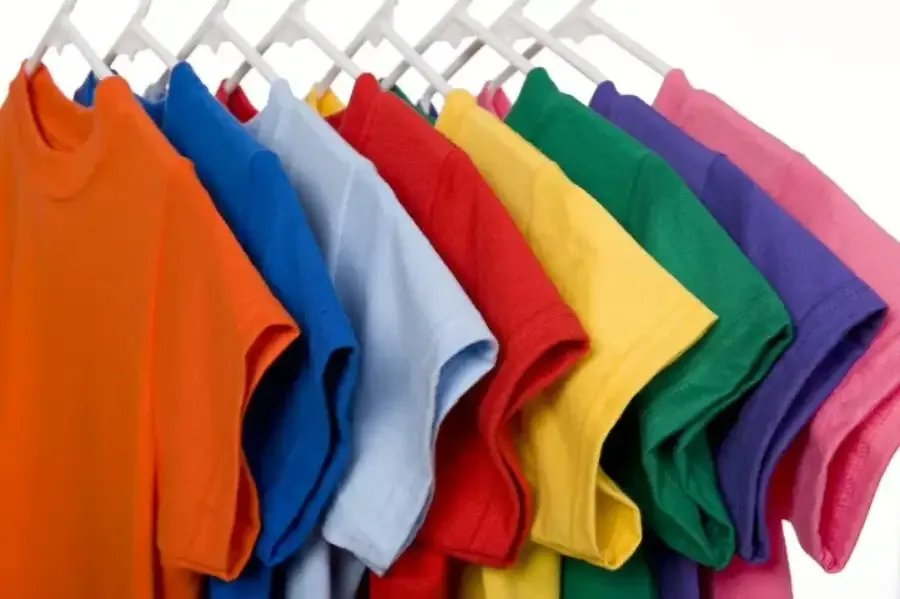
Two shirts can list “100% cotton” yet feel miles apart. Selecting the right t-shirt fabric types is a technical process involving fiber, yarn, and weight. It defines your product’s handfeel and printing compatibility. This guide provides the GSM fabric charts and compatibility matrices you need to source private label blanks effectively. We utilize data aligned with ASTM textile standards to help you minimize returns and secure repeat buyers.
Essential 11 T-shirt Fabric Types
See which fabrics scream quality and match each to your brand’s price point.
1. Combed Ring-Spun Cotton Jersey
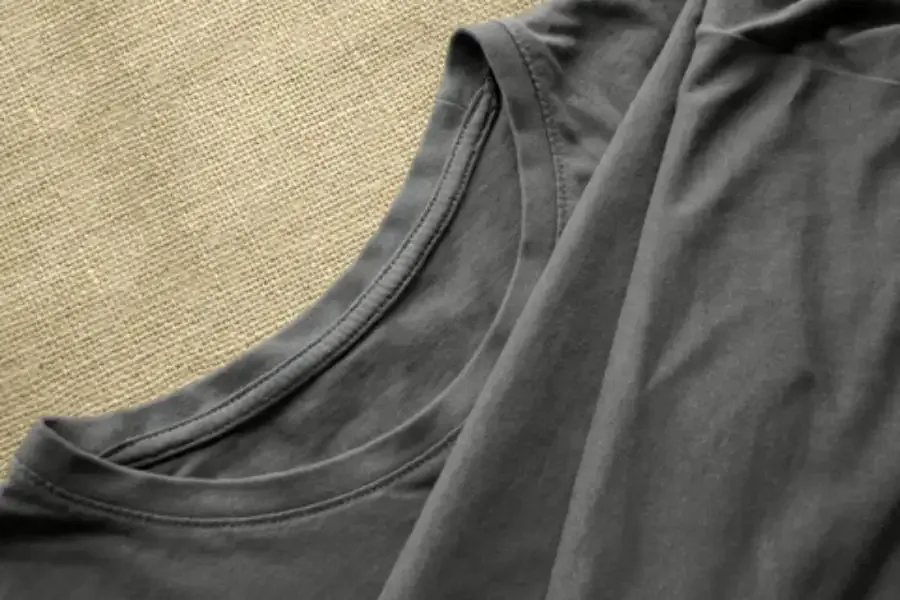
This is the baseline for premium streetwear. “Combing” removes short, rough fibers, while “ring-spinning” twists the yarn to be stronger and smoother than standard carded cotton.
This smooth surface is non-negotiable for a t-shirt manufacturer printing detailed art. Because the fabric lacks “fuzz,” it provides a flat canvas for DTG and DTF methods, ensuring crisp lines instead of blurry edges.
Watch out: Natural cotton can shrink up to 5% in the wash. Always require “pre-shrunk” or “compacted” status in your specs to maintain fit consistency.
🚀 Actionable Insight: Specify “30 singles” (30s) yarn count for your blanks. Higher numbers indicate finer thread, meaning a 30s tee feels significantly softer than a rough 18s budget shirt.
2. Carded / Open-End Cotton (Including “Heavy Cotton”)
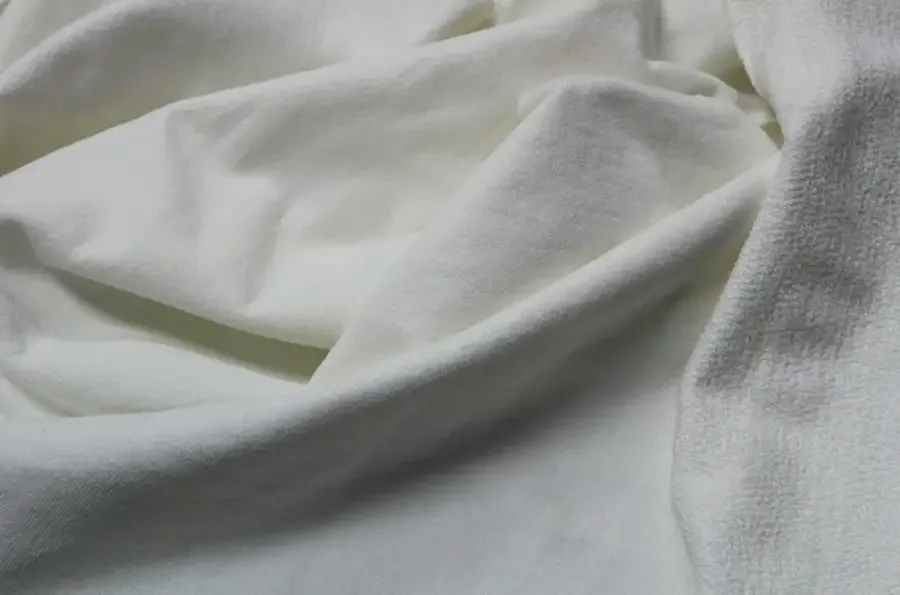
Carded cotton retains short fibers that premium combing processes remove. These shorter strands stick out from the yarn and create a fuzzy, coarse texture. You typically see this marketed as Heavy Cotton.
These t-shirt fabric types feel thick and rigid. While rougher to the touch, that stiffness provides a structured, boxy fit popular in streetwear and workwear. It is also the most cost-effective choice for managing unit prices on high-volume promotional orders.
Surface fuzz reduces print resolution. Fine lines blur on carded cotton because the ink sits on uneven fibers. This material works best for bold typography, simple logos, and thick screen prints.
3. Polyester (and Recycled Polyester)
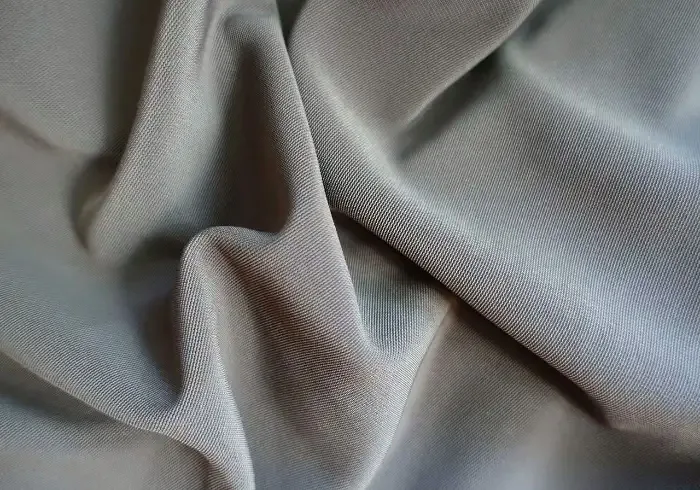
Polyester is an engineered performance tool, not a cheap backup. Its hydrophobic nature pushes moisture to the surface to evaporate rather than soaking it up. This makes it the standard for activewear.
It is also mandatory for dye-sublimation. To bond ink directly into the fiber, you need at least 65% polyester content. Using cotton causes prints to wash out immediately.
- Best for: Athletics, humid climates, and all-over prints.
- Tradeoffs: Heat sensitivity and odor retention.
Recycled polyester (rPET) is a popular sustainable t-shirt fabric types. Verify claims against the Global Recycled Standard to ensure authenticity. Sourcing impacts lead times, so compare USA vs. overseas manufacturing timelines before ordering.
4. Cotton/Poly Blends (CVC, 50/50, 65/35) — The “Best of Both” That Needs Clear Specs
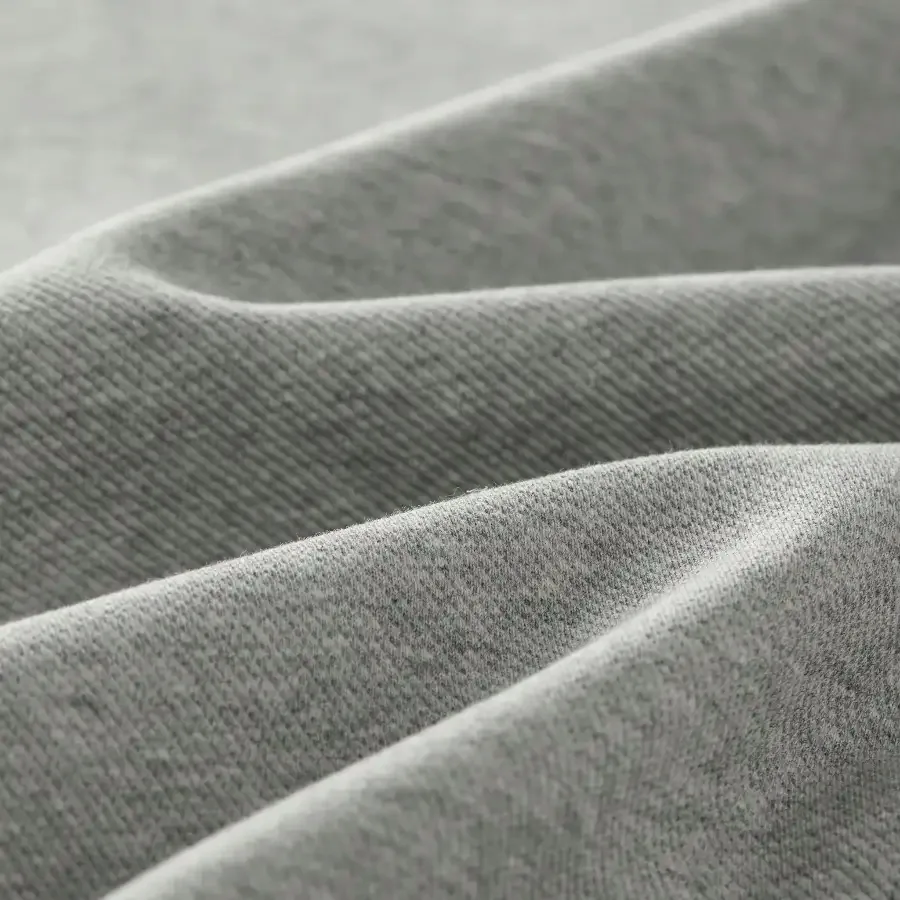
Blends are engineered specs, not cheap alternatives. As polyester percentage rises, durability and wrinkle resistance increase, while breathability and softness decrease.
Two common industry ratios define the market:
- CVC (Chief Value Cotton): >50% cotton (often 60/40). Mimics premium streetwear handfeel but holds shape better than pure cotton.
- 65/35 (Poly/Cotton): The industrial workhorse. Has a slicker, synthetic feel but survives aggressive washing without warping.
Printing constraints: Polyester fibers resist standard water-based inks. Without specialized blockers, prints on high-poly blends often appear “vintage” or “heathered” rather than solid.
⚡️ Actionable Insight: Standardize your blend ratio across collections. Switching between CVC and 50/50 changes the drape and fit enough to trigger returns from repeat buyers who expect consistency.
5. Tri-Blend (Cotton/Poly/Rayon) — Soft Drape + “Vintage” Print Aesthetic
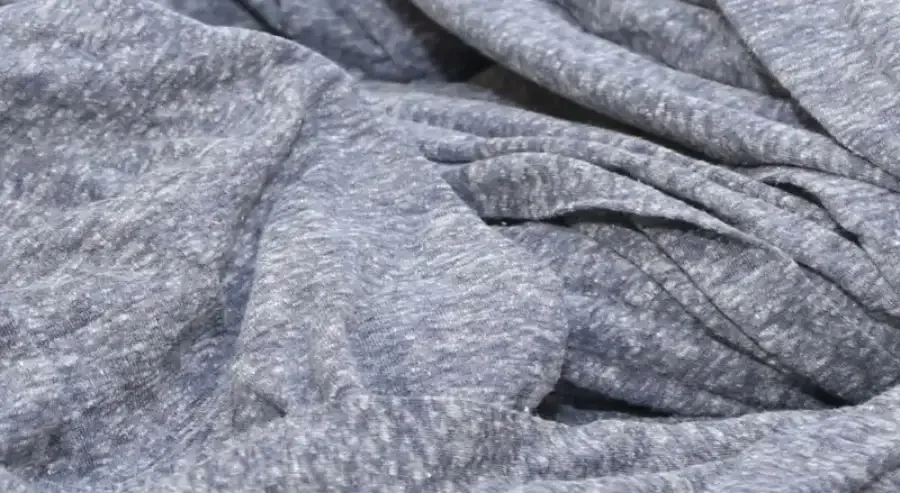
Tri-blends offer the “retail-ready” softness that standard cotton lacks. This mix uses cotton for familiarity, polyester for durability, and rayon for a silk-like drape.
Rayon is the secret weapon here. It creates a “slouchy,” premium fit used by top lifestyle brands. If you are building fashion-forward silhouettes, this fabric elevates the perceived value immediately.
Printing reality You cannot achieve opaque, plastic-like prints on this fabric. Tri-blends force a vintage, heathered aesthetic. Because the three fibers absorb ink differently, the print often looks intentionally distressed rather than solid.
6. Organic Cotton (Eco-Friendly Positioning, But Only If You Can Prove It)
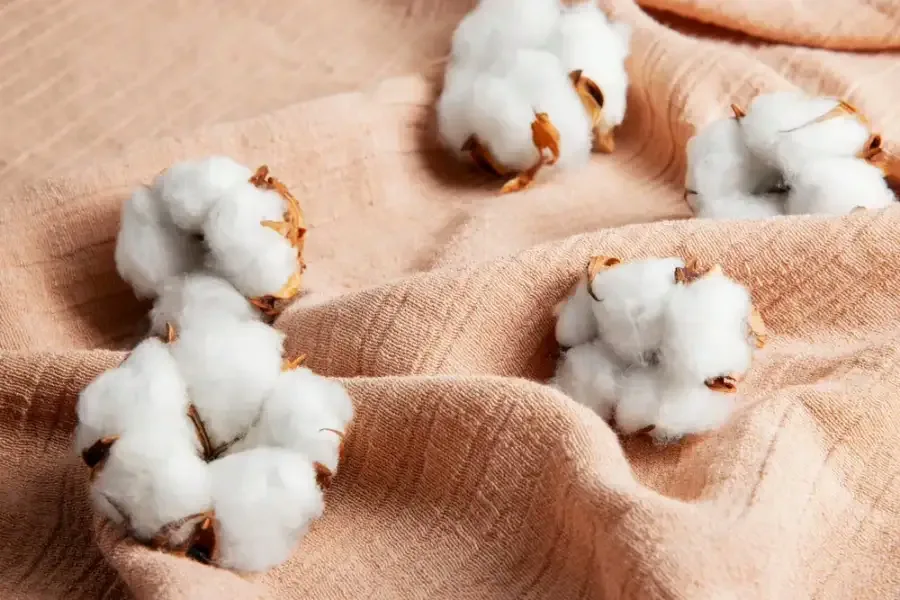
“Organic” is just a marketing word until you hold the chain-of-custody documents. Selling unproven goods risks fines for greenwashing. Use this fabric for eco-conscious lines or sensitive-skin markets. It also works perfectly for DTG and screen printing.
The Purchasing Checklist:
- Verify certification: Require a valid GOTS (Global Organic Textile Standard) certificate.
- Control color: Natural fibers dye unevenly. Approve physical “lab dips” for every batch.
Organic tees pair well with premium stitching. Soft fibers distort easily, so use the best embroidered t-shirt manufacturers to ensure hoop stability protects the handfeel.
7. Long-Staple Cotton (Pima/Supima) — When “Softest T-Shirt Material” Is the Product
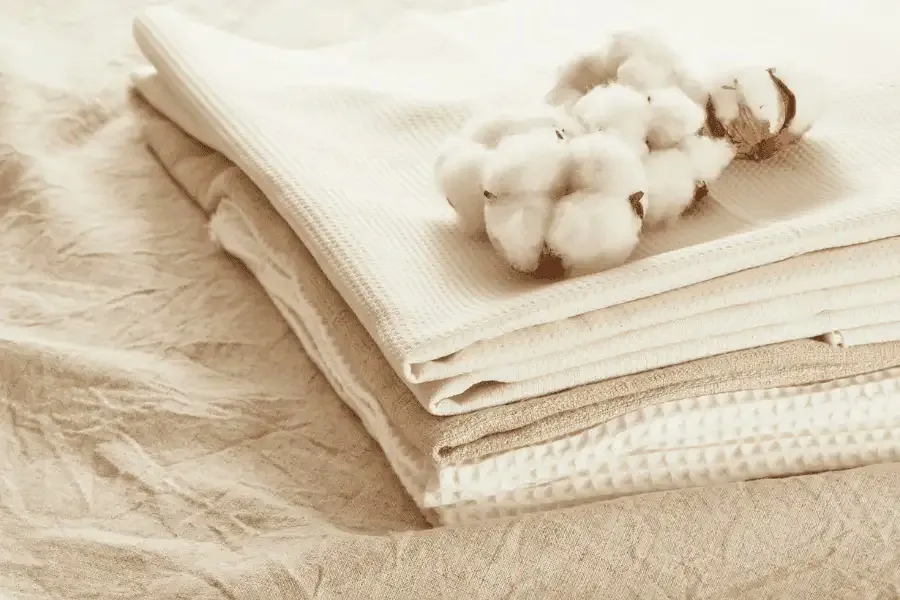
Long-staple cotton uses fibers roughly 50% longer than standard varieties. These longer strands spin into a smoother, tighter yarn with fewer exposed ends. This creates a silkier handfeel and prevents the pilling typical of cheaper fabrics.
Best for: Premium basics and “elevated” blanks. If your brand marketing focuses on softness or longevity, this is the spec you need.
The Watch-out: The raw material costs more. Do not create a “Pima in name only” product by using premium fiber in a thin, low-density knit. The GSM (weight) and stitching must match the premium price tag.
⚡ Power Move: Heavy ink prints ruin the soft texture. Stick to minimal branding or subtle embroidery to let the fabric quality shine. Use our logo size guide to keep your aesthetic clean.
8. Textured Cotton Knits: Slub vs Pique (Macro Photos Make This Click)
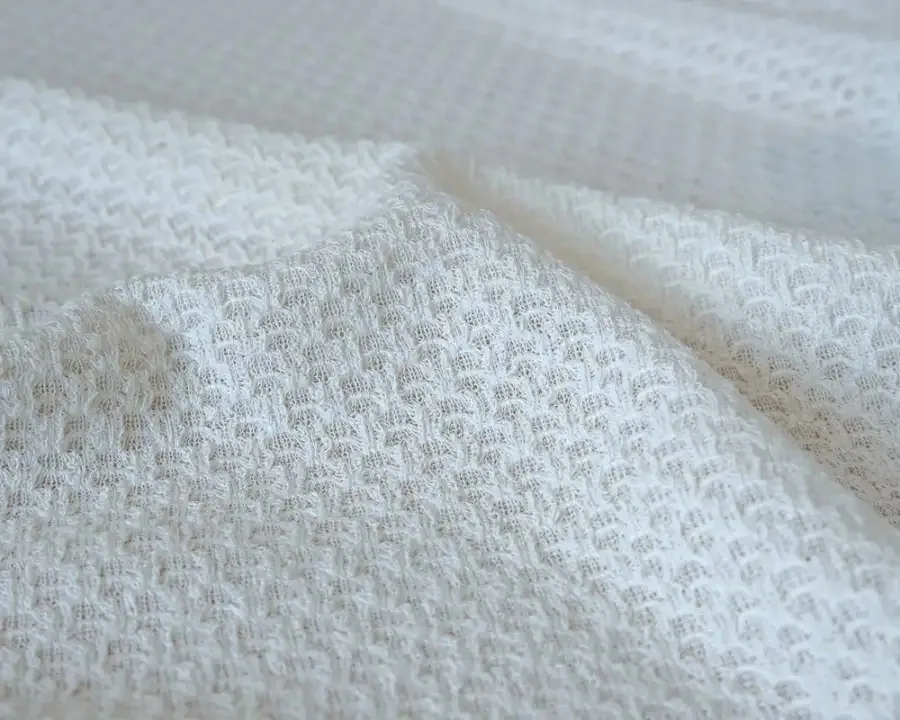
- Slub cotton: Uses irregular yarn thickness to create organic, visible lumps. It feels soft and vintage immediately.
- Pique: Features a geometric raised pattern (usually honeycomb). This structure lifts fabric off the skin for maximum airflow.
[Image Requirement: Macro Split-Screen]
- Left (Slub): Zoom in on random yarn thickness and shadow depth.
- Right (Pique): Zoom in on the strict, repetitive honeycomb grid.
Strategic Usage:
- Choose Slub for “lived-in” streetwear lines. The visual noise adds perceived value to simple cuts.
- Choose Pique for elevated uniforms. It is stiffer and holds a collar shape better than jersey.
Texture dictates formality. As we detail in our crew neck comparison, swapping flat cotton for a textured knit instantly changes the fit profile and price perception.
⚡ Power Move: Avoid screen printing on Pique. The uneven surface causes ink to crack. Use embroidery or high-density heat transfers for textured fabrics to maintain a premium look.
9. Cotton/Elastane (Spandex) — The “Recovery” Blend
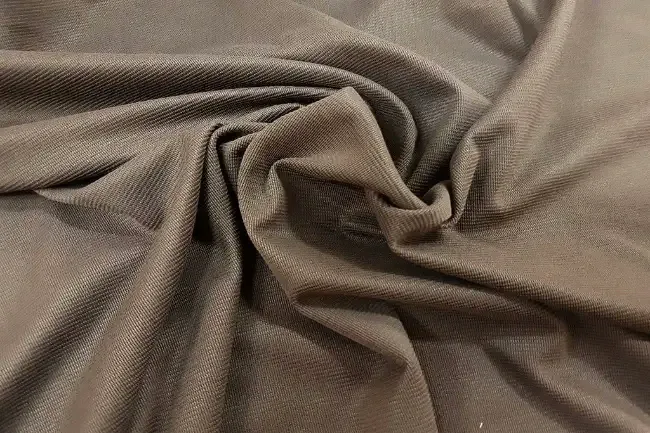
Pure cotton stretches, but it lacks recovery. Without elastane, fitted garments bag out at stress points within hours. Adding just 5% elastane (Spandex) creates mechanical memory, snapping the fabric back to its original fit.
This 95/5 blend is mandatory for “next-to-skin” silhouettes like baby tees, ribbed crops, and muscle-fits.
The Printing Risk Standard plastisol ink is rigid. If your fabric stretches 30% but the print only stretches 10%, the design cracks. Always specify stretch additives or silicone-based inks in your tech pack to handle high tension and elongation.
10. Linen (and Linen Blends)
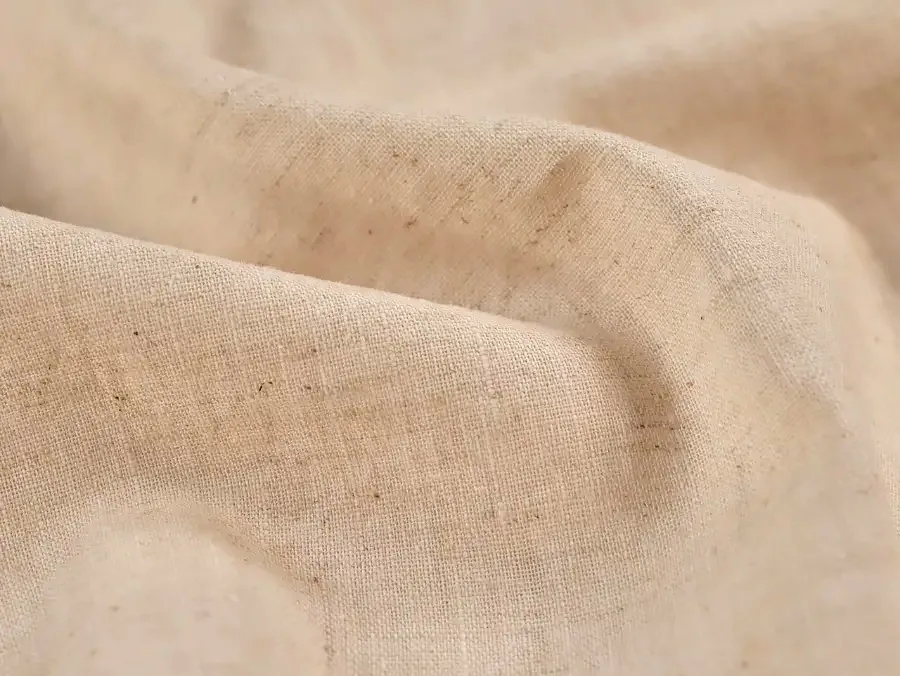
Linen is the ultimate technical fabric for heat. Its hollow fiber structure allows for maximum airflow and rapid moisture wicking. Unlike cotton, which traps sweat against the skin, linen dries fast.
The Tradeoff Linen has zero stretch and wrinkles instantly. Pure linen can also feel rough. We recommend a Linen/Cotton blend to soften the handfeel while keeping the cooling properties.
Best For Resort collections and relaxed fits. The natural drape signals high-end leisure, making it a staple for luxury vacation wear.
Printing Reality The fabric’s “slub” texture destroys fine details. Avoid complex DTG prints. Use bold screen prints or minimal embroidery that sits on the uneven surface.
11. Regenerated Cellulosics & Hemp (Modal, Lyocell, Bamboo)
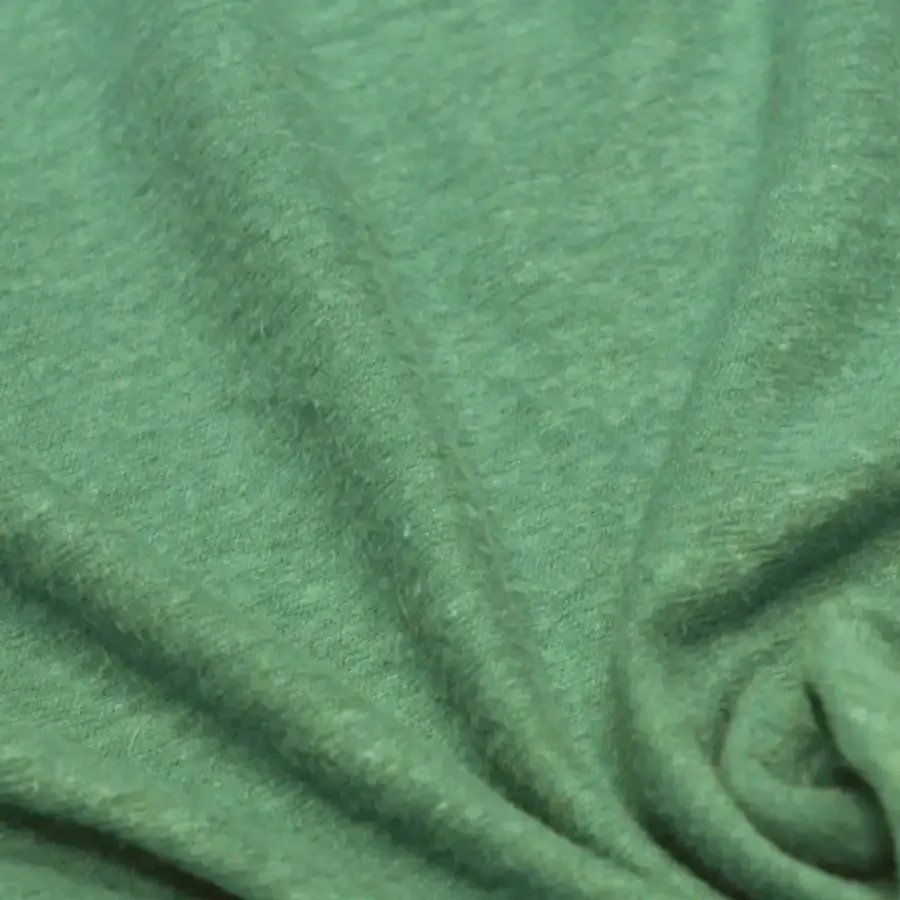
Marketing terms often confuse raw material with handfeel. You must separate the source from the fabric performance:
- Modal & Lyocell: Regenerated cellulose fibers with a heavy, fluid drape. They feel cool to the touch and resist pilling.
- Bamboo Viscose: Treat this as a processing category. It is chemically processed rayon that offers extreme softness but lacks structure.
- Hemp: The structural opposite. It adds texture, grit, and linen-like durability noted for low water usage.
Best For
“Elevated basics” and loose fashion cuts. Since these fabrics lack rigidity, they require specific display techniques to look appealing on hangers compared to standard cotton.
The Risk
Consistency varies wildly between mills. High-drape fibers are prone to shrinking and twisting. You must verify dimensional stability during the sampling phase.
The T-Shirt Production Action Plan
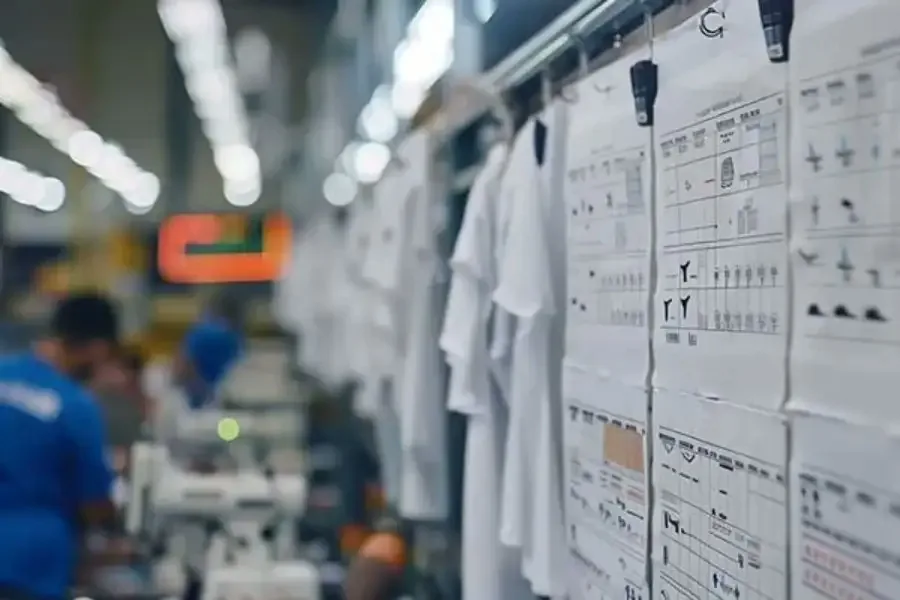
Use this data to order samples. Define these specs clearly. If you leave details open, factories choose the cheapest option.
1) GSM Chart: The Weight Reference
GSM (Grams per Square Meter) defines fabric thickness and drape. It also dictates shipping costs. Heavier shirts increase postage rates. Read how GSM impacts shipping weight.
Select your target range.
| GSM Range | Feel & Use Case | Best For |
|---|---|---|
| 120–150 GSM | Lightweight. High drape. Sheer in white. | Hot weather. Undershirts. Vintage looks. |
| 150–180 GSM | Standard opacity. Moderate drape. | Everyday retail brands. Safe for startups. |
| 180–220 GSM | Structured. Thick. Premium handfeel. | Streetwear. Luxury basics. Skate gear. |
| 220+ GSM | Heavyweight. Boxy. Rugged. | Workwear. Oversized fits. Fall lines. |
2) Printing Compatibility Matrix
Align your fabric fiber with the correct print method. Mismatched pairs cause peeling and cracking.
Review this matrix before you source blanks.
| Fabric | DTG | DTF | Screen (Plastisol) | Screen (Water) | Sublimation | Embroidery |
|---|---|---|---|---|---|---|
| Ring-Spun Cotton | Best | Good | Good | Best | Avoid | Good |
| Carded Cotton | Avoid | Good | Good | Poor | Avoid | Good |
| Cotton/Poly | Test | Best | Best | Possible | Poor | Best |
| Tri-Blend | Poor | Good | Good | Good | Poor | Test |
| Polyester | Avoid | Good | Good | Avoid | Best | Best |
| Linen | Poor | Good | Good | Best | Avoid | Poor |
| Hemp | Good | Good | Good | Best | Avoid | Good |
Technical Notes:
- Ring-Spun vs. Carded: Use ring-spun for DTG. The smooth surface prevents ink fibrillation. Carded cotton has loose fibers that disrupt the print.
- Water-Based Inks: These require natural fibers (cotton/hemp/linen) to soak into the fabric. They sit on top of polyester and wash off.
- Sublimation: Requires high polyester content (min 60%). The gas dye bonds chemically with plastic fibers.
- DTF (Direct to Film): Works on almost any fabric but leaves a plastic feel.
- Embroidery: Works best on stable fabrics like poly-blends. Heavy cottons also work, but thin tri-blends may pucker.
See our deep dive on printing types here.
3) Micro ‘Spec Sheet’ for Sampling
Send this checklist to your supplier. Require them to acknowledge these standards.
Subject: Production Standards for [Brand Name]
- Target GSM: Set your target (e.g., 180 GSM) with a tolerance of ±5% per ASTM D3776 Mass Per Unit Area.
- Shrinkage Limit: Max 5% length/width after 3 wash cycles. This prevents “torque” (side-seam twisting).
- Colorfastness: Grade 4.0 on the AATCC Gray Scale. Ensure colors do not bleed onto other garments.
- Pilling Tolerance: Grade 3.5+ on the ISO 12945 Martindale Test.
- Sample Requirement: Request one raw swatch and one printed, washed sample (3 cycles).
Document the final sample. Keep it as your “Master Standard.” Compare bulk orders against this physical reference to verify quality.
4) Get Your Fabric Recommendation
Share your intended print method, target GSM, and fit. We will identify the specific material to source.
People Also Ask About T-shirt Fabric Types
1. What is the best fabric for t-shirt printing?
For detailed art using Direct-to-Garment (DTG), combed ring-spun cotton is the gold standard. Its smooth, fuzz-free surface holds ink without blurring. For sports jerseys, polyester is required for dye sublimation. For simple logos and large batches, screen printing works on almost any fabric. Learn more about matching fabric to print methods in our guide on types of t-shirt printing.
2. Should I choose cotton or polyester for my brand?
Base this decision on the end-use. Choose 100% Cotton for lifestyle brands and streetwear because it feels soft and breathes well. Choose Polyester for gym gear and activewear because it wicks moisture and dries quickly. Remember: if you want all-over sublimation prints, you must use high-content polyester. Cotton cannot hold sublimation ink.
3. What GSM is best for t-shirts?
For most fashion startups, 160 to 180 GSM is the standard. This midweight range is thick enough to be opaque but light enough for year-round wear. Use 200+ GSM only if you want a heavy, boxy “streetwear” fit. Use 130-150 GSM for vintage or sheer summer styles.
4. What is the softest t-shirt material?
Tri-blends (Cotton/Poly/Rayon) are typically the softest due to the silky drape of rayon. For pure cotton, Pima or Supima cotton offers the best handfeel because the long fibers create a smoother yarn. However, softness is subjective; always order physical swatches to compare the “hand” of the fabric.
5. What should I test before I place a bulk order?
Never trust a digital mockup. Order a physical sample and wash it at least three times. Check for shrinkage (measure length before and after), pilling (small fuzz balls), and color bleeding. If the side seams twist or the print cracks after washing, do not proceed with that t-shirt manufacturer.